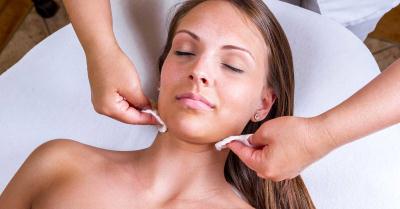
A chemical solution that harnesses your body’s natural processes of renewal:
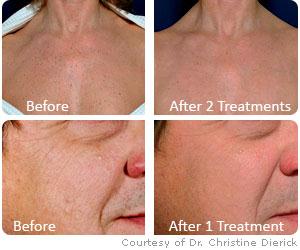
Improving the look and feel of skin areas with sun damage may improve after chemical peeling. After a chemical peel, skin is temporarily more sensitive to the sun, so wear sunscreen every day.
It should say “broad-spectrum” on the label, meaning it protects against the sun’s UVA and UVB rays. Limit your time in the sun, especially between the hours of 10 a.m. and 2 p.m., and wear a wide-brimmed hat.
What conditions are treated with chemical peels?
Age Correction
Age Precention
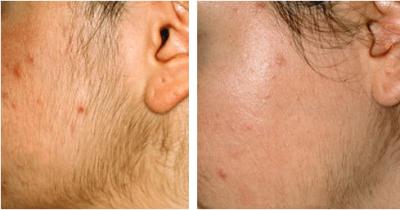
Acne Correction
Pigmentation Prevention
What is it?
The chemical peel is one of the most honest skincare treatments around. It doesn’t hide behind fancy name. It is what it says: a chemical solution that harnesses your body’s natural processes of renewal, which can largely be summed up as “discard old skin cells to make space for new ones.” In other words it causes the skin to peel so that the new skin can grow in its place.
How does it work?
Different chemical types have their own properties, but generally, chemical peel acids penetrate the skin and break the bonds between the layers of skin, so the top layers will start peeling off. The type of peel, its concentration and the exact chemical composition will determine how deep it penetrates (and thus how deep the peel is).
Purpose of chemical peels
Erase imperfections
Remove damaged skin
Improve skin tone and texture
Allow new skin to grow
Now that we have wrapped our heads around what chemical peels are and what they are used for, it’s important to note that, if you want to give your skin a bit of a pick-me-up, your first port of call should be your trusted skincare therapist.