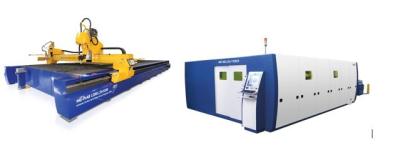
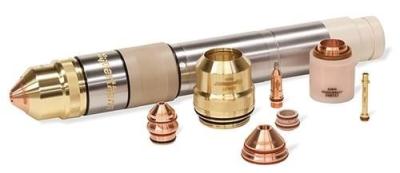
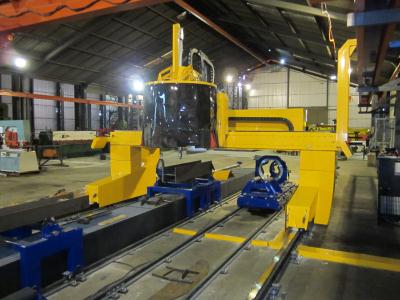
When one decides on which technology to purchase between Plasma and Laser, the following has to be taken into consideration:
1) What material type are you cutting
2) What thickness
3) Will the parts have to be welded afterwards or are they for architectural or machine precision parts
4) Your production volume
5) Your initial capital outlay
1 and 2)
Laser Plasma Cutting Thickness:
Mild Steel: Laser: 0.5-20mm Plasma: 1-50mm
Stainless Steel: Laser: 0.5-16mm Plasma:2-120mm
Aluminium: Laser 0.5-20mm Plasma:3-40mm
Brass/Copper Laser: 0.5-16mm Plasma: n/a
Laser Plasma Cutting Speeds:
Using 12mm Mild Steel: Laser: 1800mm/min Plasma: 2800mm/min
Using 2mm Mild Steel: Laser: 9000mm/min Plasma: 5000mm/min
What technology is best suited for your cutting needs based on material thickness that you need to cut?
Mild Steel: Laser:0.5-10mm Plasma:8-50mm
Stainless Steel: Laser: 0.5-8mm Plasma:10-20mm
Aluminium Laser: 0.5-20mm Plasma: 4-16mm
Brass/Copper Laser: 0.5-16mm Plasma: n/a
3) Due to the fact that laser offers you a very clean and square cut, precise cutting can be done up to the relevant thickness that the laser source is classified to cut. In other words cut outs for fit ups are easily achieved. For this capability however where parts have to be welded afterwards the extreme definition plasma cutting technology is more than efficient and very tight tolerances can also be achieved.
4 and 5) On thinner thicknesses below 10mm mild steel, laser cutting speeds are much faster than plasma. With a purchase on either a laser or plasma one needs to look at what the monthly throughput will be to justify the cost of either the laser or the plasma. A Fiberlaser will on average be 3 times more expensive than a high definition plasma cutting machine. It is always advisable to have a specialist help you in ascertaining your current and future needs.